Introduction
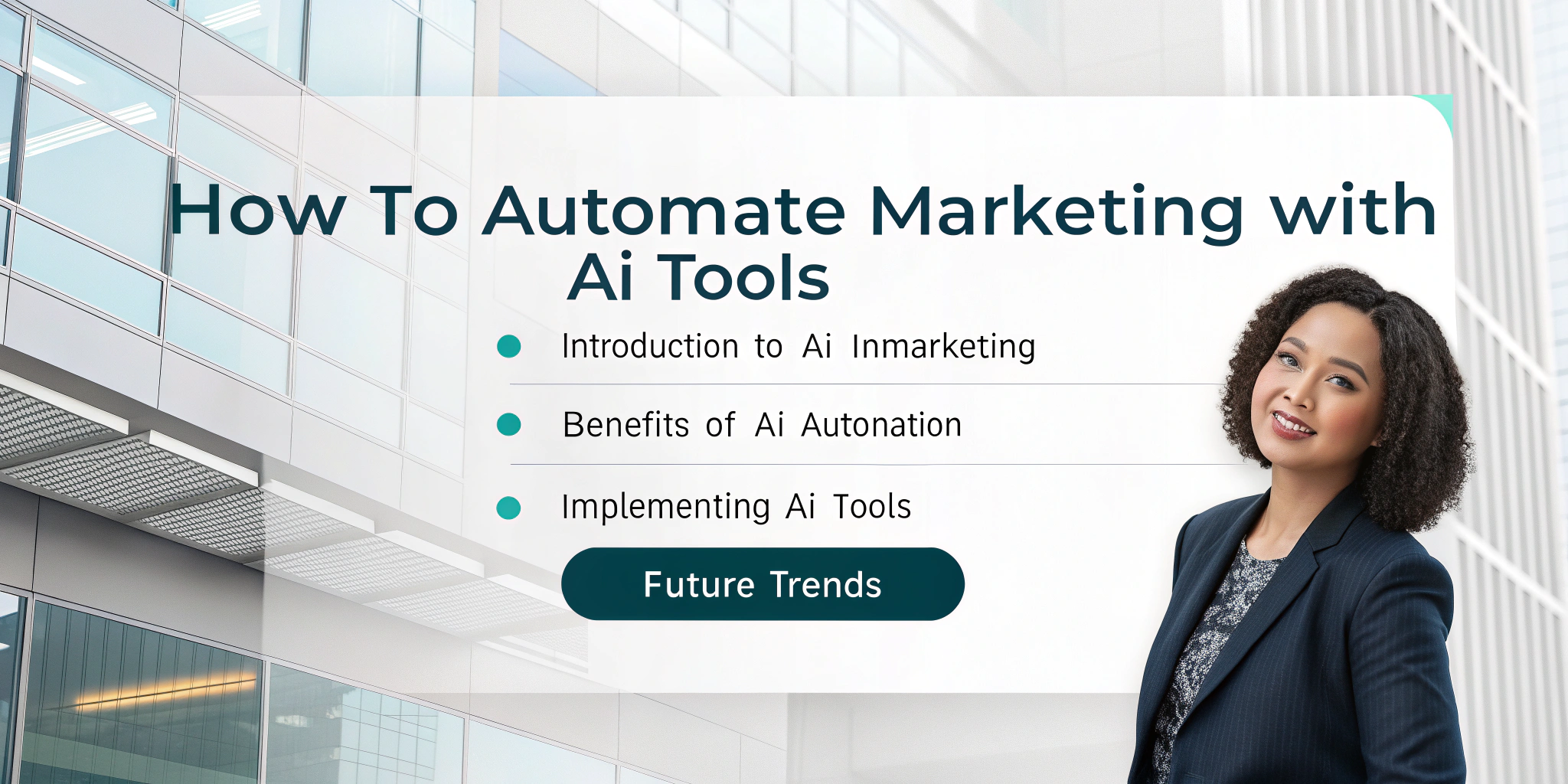
The how to automate marketing with AI tools tutorial is designed to help marketers, small businesses, and agencies streamline campaigns, save time, and increase engagement in 2026. As digital marketing becomes more competitive and fast-paced, manual processes are no longer sustainable for consistent growth. AI-powered marketing automation enables businesses to create, manage, and optimize campaigns more efficiently while maintaining quality and brand consistency. This guide explains how AI tools can transform everyday marketing tasks into scalable, automated workflows that deliver measurable results.
In this Tutorials category (slug: tutorials) post, we cover practical, step-by-step methods to implement AI automation across key marketing channels such as email marketing, social media management, content creation, and paid advertising. Modern AI tools like ChatGPT, Jasper AI, Zapier, Make, and Designs.ai help marketers generate content ideas, write copy, schedule posts, automate workflows, and manage repetitive tasks with minimal effort. By integrating these tools correctly, businesses can significantly reduce manual workload while improving campaign performance and consistency.
Marketing automation with AI is not just about saving time—it’s about working smarter. AI can analyze engagement data, personalize messaging, and optimize campaign timing based on audience behavior. For example, AI-powered email automation can segment subscribers, personalize subject lines, and schedule emails for optimal open rates. Social media automation tools can generate captions, design visuals, and post content consistently across platforms, helping brands stay active and relevant without daily manual input.
This tutorial also includes real-world examples and mini case studies to show how businesses successfully automate marketing using AI tools. You’ll see how small businesses, startups, and agencies leverage automation to increase engagement, improve conversion rates, and achieve higher ROI. We also highlight common mistakes marketers make—such as over-automation, ignoring brand voice, or skipping performance tracking—and explain how to avoid them with practical solutions and best practices.
Another key focus of this guide is maintaining brand consistency and content quality while using AI. Although AI tools are powerful, human oversight remains essential. This tutorial shows you how to create effective prompts, set brand guidelines, and review AI-generated content to ensure it aligns with your tone, values, and marketing objectives. By combining AI efficiency with human creativity and strategy, marketers can achieve better results than either approach alone.
In addition, this guide aligns with SEO and EEAT best practices, ensuring that automated marketing efforts remain ethical, transparent, and search-engine friendly. We explain how to optimize AI-generated content for search engines, track performance metrics such as engagement and conversions, and continuously refine workflows for better outcomes. Whether you’re automating a single campaign or building a full AI-powered marketing system, this tutorial provides a structured roadmap for success.
By the end of this guide, you’ll have a clear understanding of how to automate marketing with AI tools, choose the right platforms for your needs, set up effective workflows, and measure results confidently. Whether you’re a solo marketer, a growing business, or a digital agency, mastering AI-driven marketing automation in 2026 will help you stay competitive, increase productivity, and maximize ROI in an increasingly automated digital landscape.
Why Automate Marketing with AI Tools
• Saves time on repetitive tasks like posting and email sequences
• Generates creative content for campaigns efficiently
• Provides insights for audience engagement and performance optimization
• Real-world example: A small e-commerce business automated social media posts with AI → engagement increased by 45%
YouTube Embed Suggestion:
• Video Title: “How to Automate Marketing Using AI Tools”
• Embed URL: https://www.youtube.com/embed/VIDEO_ID_1
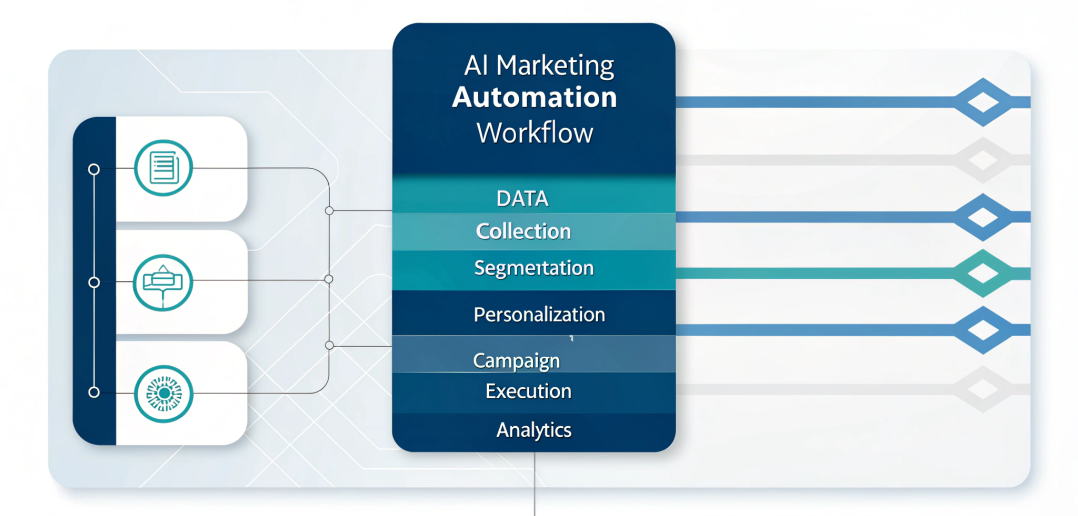
Step-by-Step Guide to Marketing Automation

Step 1 – Identify Repetitive Marketing Tasks
• Examples: social media posting, email newsletters, ad copy updates
• Prioritize tasks with highest time savings potential
Step 2 – Select AI Tools for Each Task
• ChatGPT/Jasper AI for content creation
• Zapier/Make for workflow automation
• Designs.ai for visual content
Step 3 – Create Campaign Templates and Prompts
• Define brand tone and objectives
• Prepare templates for recurring campaigns
Step 4 – Set Up Automation Workflows
• Schedule posts and emails
• Integrate tools with CRM, social media, and analytics platforms
Step 5 – Monitor and Optimize
• Track open rates, engagement, clicks, conversions
• Adjust workflows and AI prompts based on performance
Common Mistakes & How to Avoid Them
• Mistake: Automating everything → Fix: Keep human oversight for quality
• Mistake: Ignoring brand voice → Fix: Customize AI outputs to maintain consistency
• Mistake: Skipping performance tracking → Fix: Regularly analyze metrics and optimize campaigns
Trend Relevance – Why It Matters in 2026
• AI marketing automation adoption is growing rapidly
• Automation allows marketers to focus on strategy, creativity, and high-value tasks
• Businesses using AI automation report higher ROI and engagement
FAQ (5–7 Questions)
1. Q: Which AI tool is best for marketing automation?
A: Zapier and Make for workflows; ChatGPT and Jasper AI for content generation.
2. Q: Can small businesses benefit from AI marketing automation?
A: Yes, AI tools save time and improve efficiency for businesses of all sizes.
3. Q: Do AI automation tools require technical skills?
A: Most have user-friendly interfaces and templates for easy setup.
4. Q: How often should marketing campaigns be automated?
A: Automate recurring campaigns, but review content regularly for relevance.
5. Q: Can AI tools generate visuals for campaigns?
A: Yes, tools like Designs.ai can create graphics, videos, and social media visuals.
6. Q: How to measure ROI from AI marketing automation?
A: Track KPIs like engagement, click-through rates, conversions, and time saved.
Conclusion
Automating marketing with AI tools helps businesses save time, increase efficiency, and produce high-quality campaigns consistently. By identifying repetitive tasks, selecting the right AI tools, setting up workflows, and monitoring performance, marketers can maximize ROI and engagement. Combining AI automation with human oversight ensures brand consistency, creativity, and strategic alignment in 2026.
Internal & External Links
• Internal: Tutorials – AI Workflow Automation Tools vs Traditional Software – 2026
• External: Zapier AI, Jasper AI, Designs.ai